
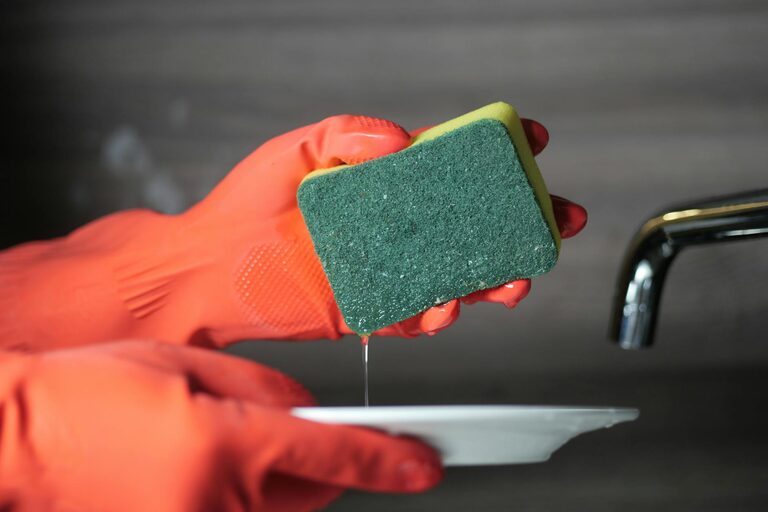
Cleaning up after dinner can often feel like a chore that drags on long after the meal is finished. Whether you cook every night or only occasionally, finding ways to make cleanup easier can save time, reduce stress, and keep your kitchen welcoming. In this post, we’ll explore a variety of helpful strategies to make dinner cleanup quicker and simpler for you and your family.
Start with Smart Planning
Prepare Cooking Tools Ahead of Time
Before you begin cooking, gather all the ingredients and tools you will need. This “mise en place” method means fewer dishes are left scattered around as you work, and cleanup becomes more organized.
Use Fewer Dishes and Utensils
Whenever possible, try to use multi-purpose utensils and measuring cups. Measuring ingredients directly into the cooking pot or pan also reduces the number of bowls and cups to be washed afterward.
Cook with Cleanup in Mind
Opt for One-Pot or One-Pan Meals
Casseroles, sheet pan dinners, and skillet-based recipes keep the number of cooking vessels low. This approach minimizes the number of pans to clean, making after-dinner cleanup much faster.
Line Baking Sheets and Pans
Using parchment paper or aluminum foil to line your baking trays protects them from sticky or baked-on food. Once the food is done, simply discard the liner and wipe the pan quickly.
Use Slow Cookers or Instant Pots
Appliances like slow cookers and Instant Pots reduce the need for multiple pots and pans. Most of these devices have dishwasher-safe inserts, making cleanup straightforward.
Make Cleaning Part of the Cooking Process
Clean As You Go
Instead of waiting until the end, wash cutting boards, utensils, and small dishes while food simmers or bakes. This spreads the cleanup over time and leaves less work after dinner.
Soak Pots and Pans Immediately
If you have stubborn, baked-on food, fill the pot or pan with warm soapy water right after use and let it soak. This softens residue and makes scrubbing easier later.
Set Up a Post-Dinner Cleanup Routine
Enlist Family Help
Make dinner cleanup a shared responsibility. Assign tasks like clearing the table, loading the dishwasher, rinsing pots, or wiping counters to family members or roommates.
Use a Timer
Challenge yourself and others to finish cleanup within a set time, such as 10 or 15 minutes. Having a time goal can make tidying up feel like less of a drag.
Organize Your Dishwasher Efficiently
Load your dishwasher as you use dishes during cooking and eating. This prevents a stack of dishes from building up and keeps the kitchen neat.
Keep Your Kitchen Tidy with Everyday Habits
Wipe Counters and Sink Regularly
After cooking, wipe down counters and the sink to remove crumbs, spills, and stains. Keeping surfaces clean prevents them from becoming sticky or grimy and cuts down on deep cleaning later.
Declutter Your Kitchen Space
A clutter-free kitchen is easier to clean. Keep only the appliances and tools you regularly use on your countertops, and store away others to reduce mess.
Use Multipurpose Cleaning Supplies
Use wipes or sprays that can quickly clean several surfaces without switching products. This speeds up the cleanup and avoids having a pile of charts or bottles out on the counters.
Bonus Tips for Faster Cleanup
– Dry as You Go: Have a towel handy to dry pots or pans right after washing to avoid puddles in the sink.
– Use Food Storage Containers Smartly: Store leftovers directly in the cooking pan or mixing bowl if possible to avoid using extra containers.
– Use Dishwasher-Safe Tools: Whenever buying new kitchen tools or bakeware, prioritize items that can go in the dishwasher to save manual scrubbing later.
Conclusion
Dinner cleanup doesn’t have to feel overwhelming. With simple strategies like planning ahead, cooking with fewer dishes, cleaning progressively, and sharing the work, you can make this daily task much more manageable. Over time, these habits help maintain a tidy kitchen and free up more time to relax after meals. Give some of these ideas a try and discover how easy dinner cleanup can become!