
Bringing houseplants into your home adds beauty, improves air quality, and can even boost your mood. However, keeping them healthy requires some basic care and attention. Whether you’re new to indoor gardening or have a collection of leafy friends, these essential tips will help your houseplants thrive.
Understanding Your Houseplants’ Needs
Each plant species has its own requirements for light, water, and nutrients. Learning about your specific plants’ preferences is the first step to keeping them healthy.
Know Your Plant Type
– Succulents and cacti prefer bright light and infrequent watering.
– Ferns and tropical plants typically thrive in indirect light and high humidity.
– Flowering houseplants may require more nutrients and consistent moisture.
Identifying your plants helps you tailor care appropriately.
Light: Find the Right Spot
Houseplants rely on light for photosynthesis, the process that keeps them alive. Too little or too much light can cause problems.
– Bright, indirect light is ideal for many plants like pothos, philodendrons, and peace lilies.
– Direct sunlight suits sun-loving plants like succulents but may burn delicate leaves.
– Low-light plants such as snake plants and ZZ plants tolerate less illumination but still need some light.
Tip: Rotate your plants regularly so all sides receive light evenly.
Watering: The Goldilocks Rule
Watering your plants “just right” is critical. Both overwatering and underwatering can harm your houseplants.
How to Water Properly
– Check the soil moisture before watering by sticking your finger an inch deep into the soil.
– If it feels dry, it’s time to water; if it’s still moist, wait a few days.
– Use room temperature water to avoid shocking roots.
– Water thoroughly until excess drains from the bottom—but never let plants sit in standing water.
Watch for Signs of Improper Watering
– Yellowing leaves or wilting may indicate too much or too little water.
– Brown, crispy leaf edges often signal underwatering or low humidity.
Soil and Drainage: Foundations for Healthy Roots
Good soil and proper drainage create the environment plants need to access nutrients and oxygen.
– Use a high-quality potting mix designed for houseplants.
– Avoid garden soil, which can be too dense and may contain pests.
– Ensure pots have drainage holes to prevent waterlogging.
– Consider adding perlite or sand to improve soil drainage.
Feeding Your Plants: Fertilize With Care
Indoor plants benefit from occasional feeding since they use up the nutrients in potting soil over time.
– Use a balanced, water-soluble fertilizer formulated for houseplants.
– Feed during the growing season (spring and summer) about once a month.
– Avoid fertilizing in the winter when many plants rest.
– Follow package instructions to avoid overfertilizing, which can damage roots.
Maintaining Humidity and Air Quality
Many houseplants, especially tropical varieties, appreciate a humid environment.
Easy Ways to Boost Humidity
– Group plants together to create a microclimate with higher moisture.
– Place a shallow tray filled with water and pebbles beneath pots.
– Use a humidifier, particularly in dry winter months.
– Mist leaves occasionally but avoid excessive moisture that can encourage fungal growth.
Also, keep your indoor air fresh by regularly dusting leaves and ensuring good ventilation.
Pruning and Grooming: Keep Plants Looking Their Best
Regular trimming promotes healthy growth and prevents plants from becoming leggy or overgrown.
– Remove dead or yellowing leaves to boost overall plant health.
– Pinch back new growth to encourage bushier plants.
– Clean leaves gently with a damp cloth to enhance photosynthesis.
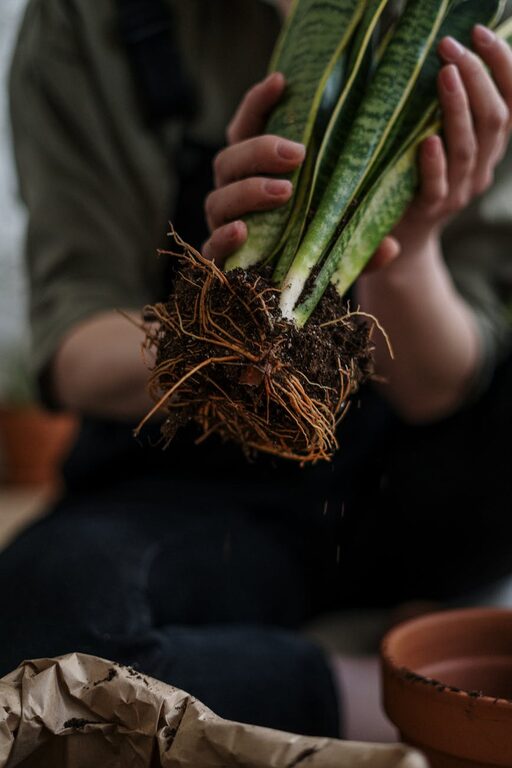
– Repot plants every 1-2 years to refresh the soil and provide room for roots.
Watch for Pests and Problems
Indoor plants can attract common pests like spider mites, aphids, and mealybugs.
– Regularly inspect leaves and stems for any signs of infestation.
– If pests appear, treat plants promptly with insecticidal soap or natural remedies like neem oil.
– Avoid overwatering, which may foster root rot and fungal diseases.
– Isolate new plants for a few weeks before introducing them to your collection.
Final Thoughts
With a little attention to light, water, soil, and general care, your houseplants can thrive and bring a refreshing touch of nature to your living space. Observing your plants closely and responding to their specific needs helps create a healthy environment where they’ll flourish. Happy planting!