
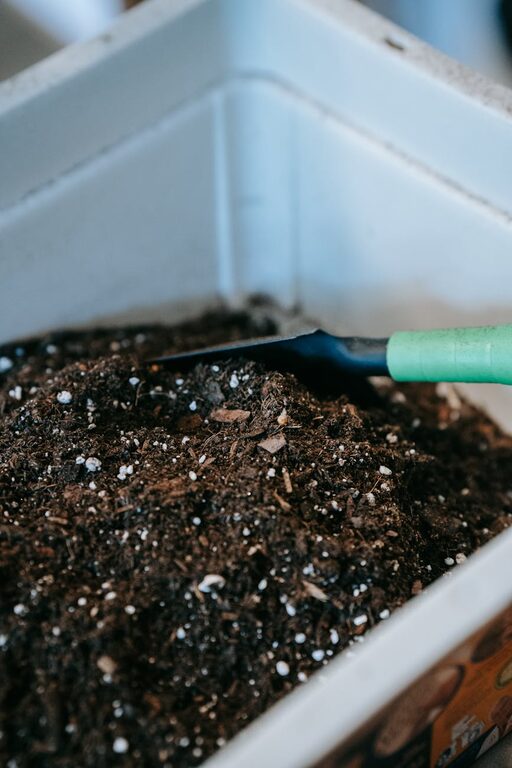
Composting at home is a wonderful way to reduce kitchen and garden waste while creating rich, natural fertilizer for your plants. If you’re new to composting, the process might seem daunting, but it’s simpler than you think. This guide covers beginner tips to help you get started successfully and enjoy the benefits of composting right in your backyard or even indoors.
What is Composting?
Composting is the natural process of recycling organic material like food scraps and yard waste into a dark, crumbly soil amendment called compost. Compost improves soil health, increases moisture retention, and supports beneficial microorganisms in your garden.
Why Compost at Home?
– Reduces landfill waste, lowering environmental impact
– Creates nutrient-rich soil for plants
– Saves money on commercial fertilizers
– Encourages sustainable living
Getting Started: Choosing a Composting Method
There are several ways to compost at home. Choose the one that best fits your space and lifestyle:
Backyard Compost Bin
If you have outdoor space, a compost bin or pile is ideal. Choose a bin with good ventilation or create a simple pile in a corner of your yard.
Tumbler Composters
These are enclosed containers on a rotating axis. Tumblers speed up composting by mixing materials regularly and are great for smaller spaces.
Vermicomposting (Worm Composting)
Use special composting worms to break down food scraps indoors. Worm composting is odor-free and efficient, perfect for apartments or limited space.
Bokashi Composting
This fermentation method uses beneficial microbes to break down waste quickly. It’s useful indoors but requires a starter bran.
Beginner Tips for Successful Composting
1. Use the Right Materials
Compost needs a mixture of “greens” and “browns”:
– Greens: Nitrogen-rich materials like fruit and vegetable scraps, coffee grounds, grass clippings
– Browns: Carbon-rich materials like dry leaves, straw, cardboard, shredded newspaper
Balance greens and browns in roughly equal amounts for healthy decomposition.
2. Avoid These Items
Some things don’t compost well and can cause odors or pests:
– Meat, dairy, and greasy foods
– Oils and fats
– Diseased plants or weeds with seeds
– Pet waste
3. Chop or Shred Materials
Smaller pieces break down faster. Chop larger scraps and shred paper or leaves before adding to your compost.
4. Maintain Moisture
Your compost should feel like a wrung-out sponge—moist but not soggy. Water dry piles occasionally or cover bin during heavy rain to prevent excess moisture.
5. Turn or Mix Regularly
Aerating your compost by turning it every 1-2 weeks helps speed decomposition and reduces odors by providing oxygen.
6. Keep Your Compost Covered
Use a lid, tarp, or place your bin in a shaded spot to maintain temperature and moisture levels while deterring pests.
7. Be Patient
Depending on conditions, compost can take a few months up to a year to mature. Finished compost looks dark, crumbly, and smells earthy.
Troubleshooting Common Compost Issues
| Problem | Cause | Solution |
|————–|——————————-|———————————————–|
| Odor | Too wet or too many greens | Add browns and turn pile to aerate |
| Pests | Food scraps exposed | Bury food scraps and cover compost pile |
| Slow break down | Large chunks or dry material | Chop materials, add water and turn regularly |
| Compost too dry | Lack of moisture | Water compost and cover to retain moisture |
Using Your Finished Compost
Once your compost is ready, use it to:
– Enrich garden beds and potted plants
– Mulch around trees and shrubs
– Improve lawn soil before seeding
– Mix with potting soil for container gardens
Final Thoughts
Starting composting at home is a rewarding, eco-friendly practice that benefits your garden and the planet. By following these beginner tips, you can reduce waste, recycle nutrients, and grow healthier plants naturally. Remember, composting is a learning process, so don’t get discouraged if it takes a few tries to get the balance right. Happy composting!
—
If you enjoyed this guide, consider sharing your composting journey in the comments below or explore related posts on organic gardening and sustainable living.