
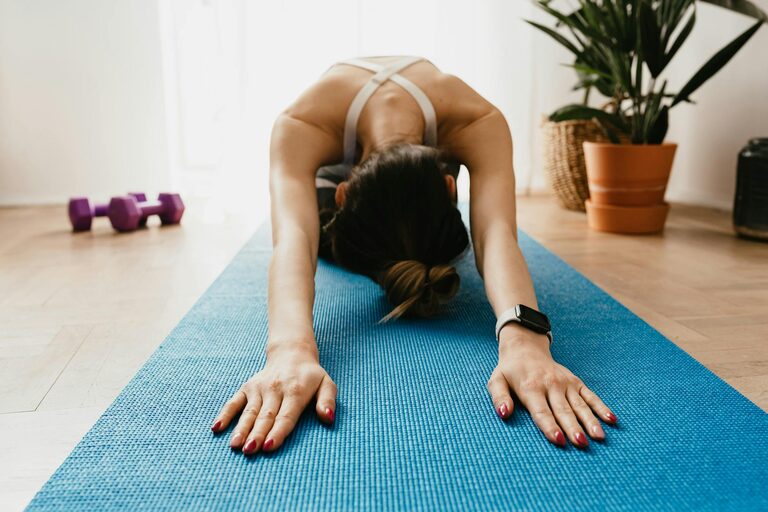
Stretching is a simple yet powerful way to improve your physical health and overall well-being. You don’t need a gym membership or special equipment — just a bit of space and time in your day. Whether you want to start your mornings feeling refreshed or wind down after a long day, stretching at home is an accessible way to promote flexibility, reduce muscle tension, and support better posture.
In this beginner’s guide, we’ll explore the benefits of stretching, give you step-by-step instructions for some easy stretches, and share helpful tips to create your own stretching routine.
Why Stretching Matters
Stretching has multiple benefits that go beyond just touching your toes:
– Improves flexibility and range of motion: Regular stretching helps your joints stay flexible, which can make everyday movements easier.
– Reduces muscle tension and soreness: Stretching can help release tight muscles, easing discomfort especially after sitting or exercising.
– Enhances blood circulation: Gentle stretching increases blood flow to your muscles, supporting recovery and energy.
– Supports better posture: Stretching tight muscles, especially in your back, neck, and shoulders, can help maintain proper alignment.
– Promotes relaxation: Taking time to stretch mindfully can reduce stress and encourage a calm mindset.
Getting Started: What You Need
The great news is you don’t need much to start stretching at home. Here’s what will help:
– Comfortable clothing: Wear clothes that allow you to move freely.
– A flat surface with some cushioning: A yoga mat, carpet, or rug can make floor stretches more comfortable.
– Some time and patience: Even 10–15 minutes can make a difference.
– Optional tools: A strap, towel, or foam roller can assist with certain stretches but aren’t necessary for beginners.
Basic Stretching Tips for Beginners
Before you jump into the stretches, keep these important tips in mind:
– Warm up first: Stretching cold muscles can cause injury. Spend 3–5 minutes warming up with light movement like walking or marching in place.
– Stretch slowly and gently: Move to the point where you feel a gentle pull, not pain.
– Hold each stretch: Aim to hold stretches 15–30 seconds to allow muscles to lengthen.
– Breathe deeply: Deep, steady breathing helps relax your muscles during stretches.
– Balance your routine: Stretch all major muscle groups, front and back, to avoid imbalances.
– Consistency is key: Stretching regularly, even a few times a week, provides the best results.
Beginner-Friendly Stretches You Can Try Today
Here are some stretches you can easily do at home, focusing on commonly tight areas.
Neck Stretch
Tight neck muscles are common, especially if you spend long hours at a desk.
- Sit or stand tall with your back straight.
- Slowly tilt your head to one side, bringing your ear toward your shoulder.
- Hold for 20 seconds, feeling a stretch along the side of your neck.
- Repeat on the other side.
Shoulder Rolls
Shoulders carry a lot of tension. Shoulder rolls help release stiffness.
- Sit or stand with your arms relaxed by your sides.
- Slowly roll both shoulders forward in a circular motion 10 times.
- Reverse direction and roll them backward 10 times.
Chest Opener Stretch
This stretch helps counteract the effects of slouching and improves posture.
- Stand or sit with your hands clasped behind your back.
- Straighten your arms and gently lift your chest while squeezing your shoulder blades together.
- Hold for 20–30 seconds.
Seated Hamstring Stretch
Stretching your hamstrings promotes better mobility in your legs and lower back.
- Sit on the floor with one leg extended straight and the other leg bent with the sole of your foot close to the inner thigh of the extended leg.
- Keeping your back straight, slowly lean forward over the extended leg.
- Hold for 20–30 seconds, feeling the stretch in the back of your thigh.
- Switch legs and repeat.
Cat-Cow Stretch
This simple yoga-inspired stretch improves spinal flexibility and relieves back tension.
- Start on your hands and knees with your wrists under your shoulders and knees under your hips.
- As you inhale, arch your back, lifting your chest and tailbone toward the ceiling (cow pose).
- As you exhale, round your back, tucking your chin and tailbone (cat pose).
- Repeat for 8–10 slow, controlled breaths.
Child’s Pose
A gentle stretch for your back, hips, and thighs that also encourages relaxation.
- Begin on your hands and knees.
- Sit back onto your heels and stretch your arms forward on the floor.
- Rest your forehead down and breathe deeply for 30 seconds to 1 minute.
Creating Your Own Home Stretching Routine
To make stretching a habit, try tailoring a routine to fit your lifestyle:
– Set a regular time: Choose mornings, breaks during the day, or evenings to stretch.
– Start small: Even 5–10 minutes daily helps develop flexibility and comfort.
– Combine stretches: Pick 4–6 stretches targeting different areas.
– Progress gradually: Once you feel comfortable, try holding stretches longer or adding new ones.
– Listen to your body: Modify or skip any stretch if it causes pain or discomfort.
When to Be Cautious
While stretching is generally safe, be mindful if:
– You have existing injuries or chronic conditions—consult a professional before beginning.
– You feel sharp or sudden pain during a stretch.
– You are unsure about your form or technique—consider watching video tutorials or seeking guidance.
Final Thoughts
Stretching at home offers many benefits with little effort or expense. By starting slowly, paying attention to your body, and practicing regularly, you can enjoy greater flexibility, less tension, and improved well-being. Remember, the journey to feeling your best is made one stretch at a time!
Happy stretching!